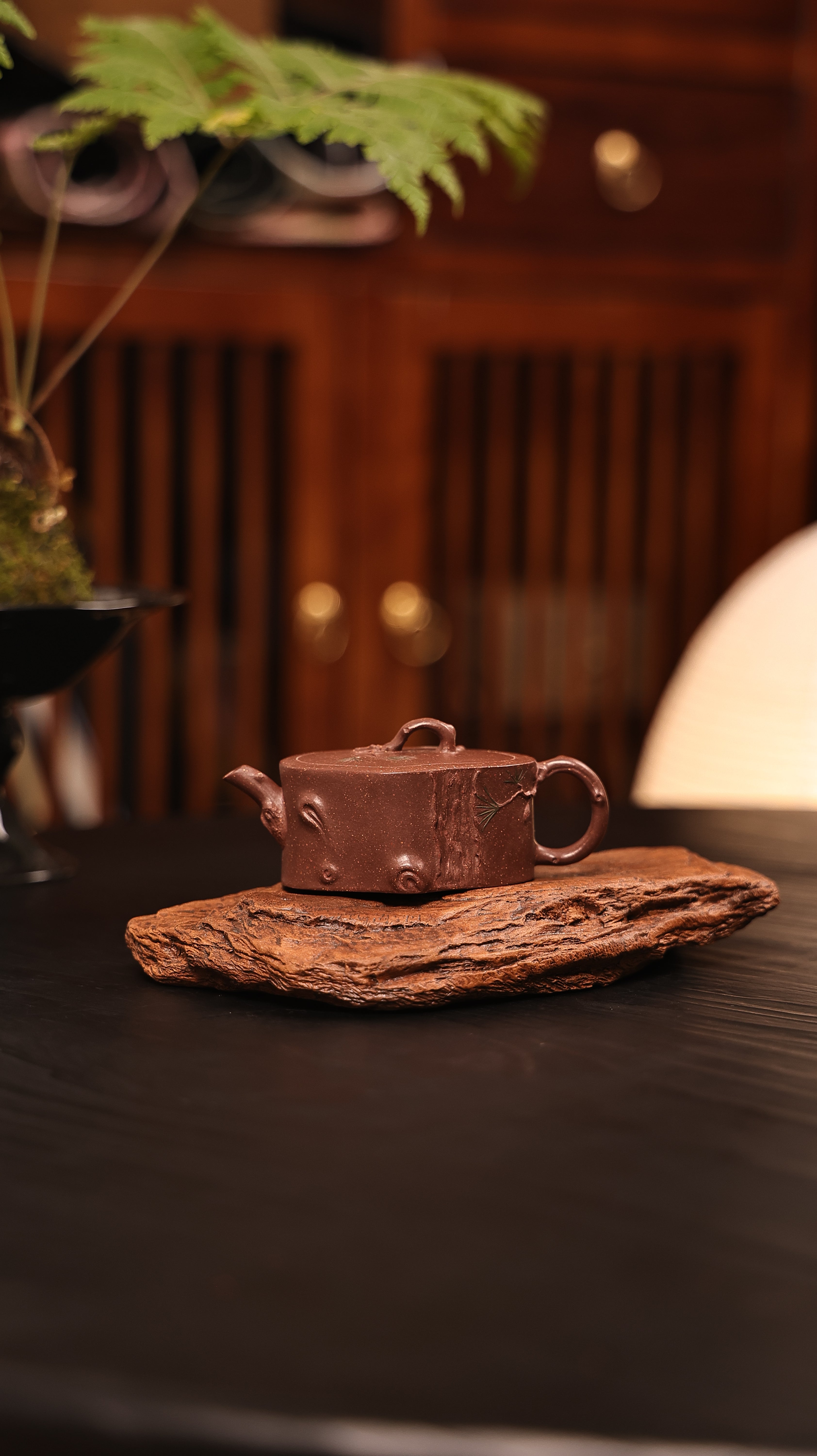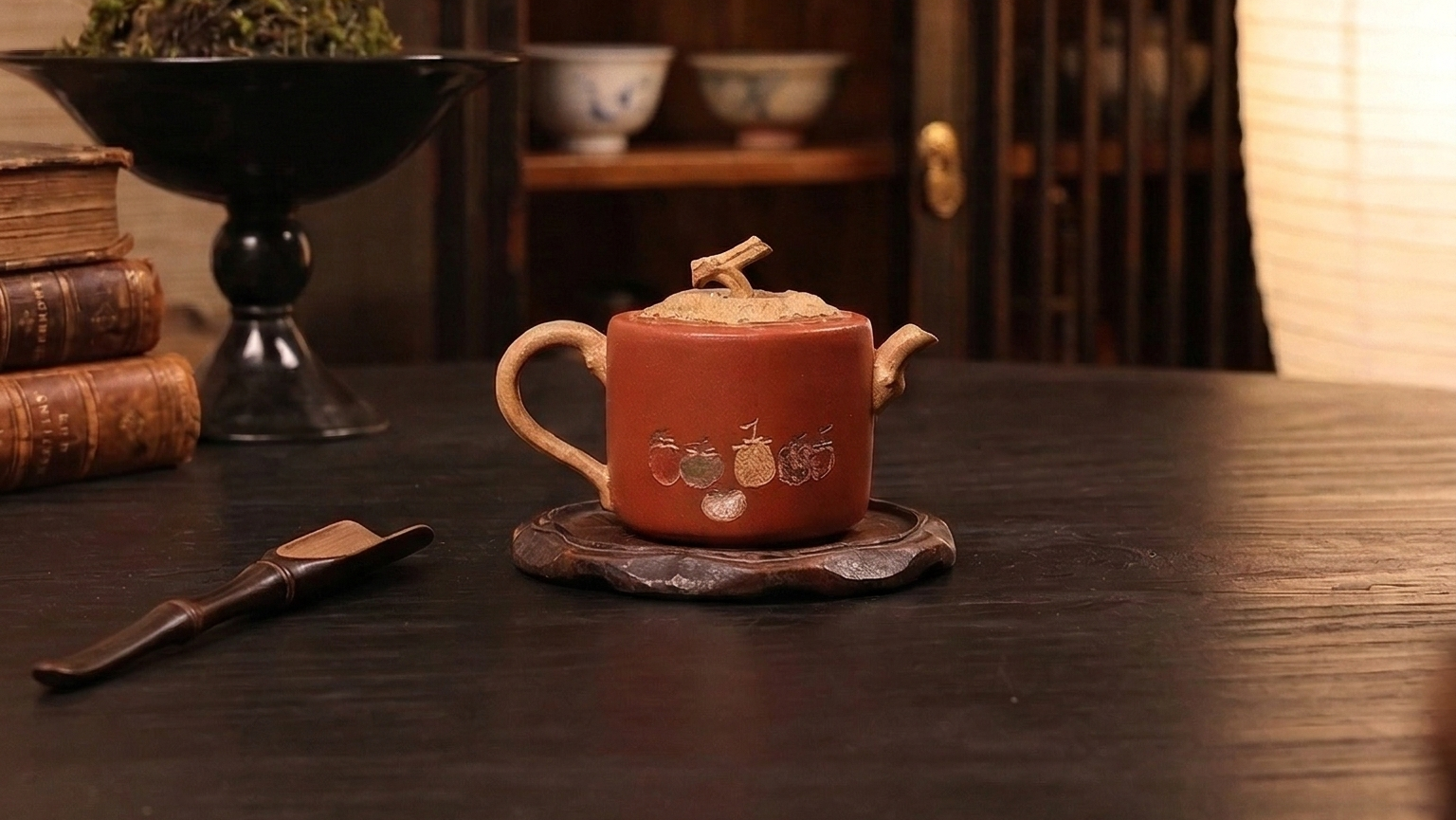
Eras in experts have long valued the unique attraction of Yixing Zisha flasks. Existing in the tranquil town of Yixing, China, these pots are fabricated from a exotic and collected purple clay acknowledged for its unmatched thermal qualities and ability to refine the note of concoctions. Exceeding their valuable appeal, Zisha teapots express a extensive historical tradition, designating them notably coveted and a authentic masterpiece for any passionate teapot enthusiast.
Delving into Yixing Vessels
Historical teapots showcase a noteworthy synthesis of history and seasoned craftsmanship. Existing in Yixing, Jiangsu District of China, their narrative traces to the Ming Dynasty, although clues suggest earlier expressions. The special burgundy clay, called Zisha, found specifically in the Yixing region, is the essential component, contributing to the pots' impressive heat conservation and the manner they impact the character of tea. Dynasties of potters have refined techniques—often conveyed through families—including forming the clay, applying sophisticated embellishments, and firing the pots at regulated temperatures.- Traditionally, Yixing teapots were often furnished with simple designs.
- Eventually, more ornate carvings and expressive motifs became widespread.
- The kiln firing itself is a vital element, requiring decades of proficiency.
Amassing Zisha Teapots: Important Insights
Starting a expedition to collect Zisha kettles can be rewarding, but it’s vital to discern what to examine. Authenticity is fundamental; focus on the earth’s natural tinge, a delicate reddish-brown is standard. Examine the structure; genuine Zisha has a characteristic tactile sensation, often depicted as slightly rough. The configuration should be well-proportioned and consistent with classic styles, while impressions, if present, require painstaking examination for authenticity. Don’t resist to consult with qualified collectors or recognized experiences – their awareness is priceless.
Ancient Kettles: Exploring the Custom of authentic Purple Ware
Millennia have seen Yixing Purple Clay teapots occupy a distinguished role in Chinese arts. Yixing Teapot These artfully designed pots, sourced uniquely from the zone of Yixing, are distinguished for their specific shade, feel, and their ability to refine the scent of extracts. Various collectors collect antique Yixing teapots, coveting them highly not only for their aesthetic charm, but also for the past they embody.
Yixing Zisha Teapots: Exceptional Ultimate Selections and Their Details
Yixing Ceramics teapots, developed in the traditional province of Yixing, China, are well-known for their remarkable clay and unparalleled brewing characteristics. Amid the multiple Zisha types, particular types that are highly esteemed include Zhuni. Binzhou, known for its dark purple shade and smooth texture, delivers a tempered flavor. Duan Ni Zisha, recognizable by its chestnut color and moderately grainy feel, is regarded to enhance the weight. Lastly, Zhuni Zisha boasts an exceptional vermilion tone and can deliver a delightful nuance. Each variety affords a alternative experience, enabling them extremely desirable to potion enthusiasts.
Refining One’s Purple Clay Cup
To realize the essence of your Yixing kettle, appreciating the correct way is crucial. These clay pots, celebrated for their texture, will incrementally develop the nature of the tea you infuse within them. Begin by cleaning the jar thoroughly with boiling water. Then, use only premium raw leaf tea, as lower quality options can degrade the clay’s delicate qualities. Always permit the leaves to expand completely, and remember that with each preparation, your Yixing kettle will become continuously special.
Securing Your Invaluable Zisha Treasure
Proper upkeep for your Zisha kettle is crucial to extending its value and significance. Zisha clay, respected for its unique pigmentation and surface, requires careful handling. Never use corrosive agents, as these can undermine the layer. After every session, rinse the pitcher with tepid water and allow it to dehumidify completely.
- Do not soaking the urn for extended times.
- Sporadically use a soft towel to dress the exterior.
- Consider applying a thin layer of food-grade fat inside the jar after drying, which can reduce staining.
Getting Started with Yixing Pitchers
Yixing clay pots, originating from the Yixing territory in Jiangsu Province, China, are celebrated for their distinctive attributes. Constructed from the unique purple clay known as Zisha, these containers are prized by potion enthusiasts worldwide. This summary will simply explain the essentials – covering categories of Zisha clay, widespread shapes, and necessary care pointers. Understanding the history of Yixing vessels can broaden your appreciation for this revered example of Mandarin culture.
Skill of Han Pitchers: Presenting Zisha originating in the Yixing area
Zisha soil from Yixing locality represents the peak of Chinese pot design, possessing a singular fusion of unprocessed beauty and effective artistry. These famous pieces are honored for their rich color palettes, often spanning intense purples and red hues to soft greys and soft beiges. The distinctive mineral composition of the indigenous Zisha terrain imparts a identifying texture and offers a enjoyable aroma that increases the whole beverage experience, transforming them greatly coveted collectibles and fundamental components of any serious infusion.